[Lude Press | Dr. Yan Talks] TikTok Is Just a Smokescreen: Trump’s Call Labels Xi a Dictator; Saudi Arabia–Pakistan Alliance Hammers the Houthis, Leaving Beijing Rambling in Fear. 9/19/2025

Video link: https://www.youtube.com/live/Nq7cFx5efug?si=JDzCTHpfjECt2YvS
01 | Trump’s Call With Xi: TikTok Is Secondary — The Real Point Is Pinning Xi as the Dictator Responsible
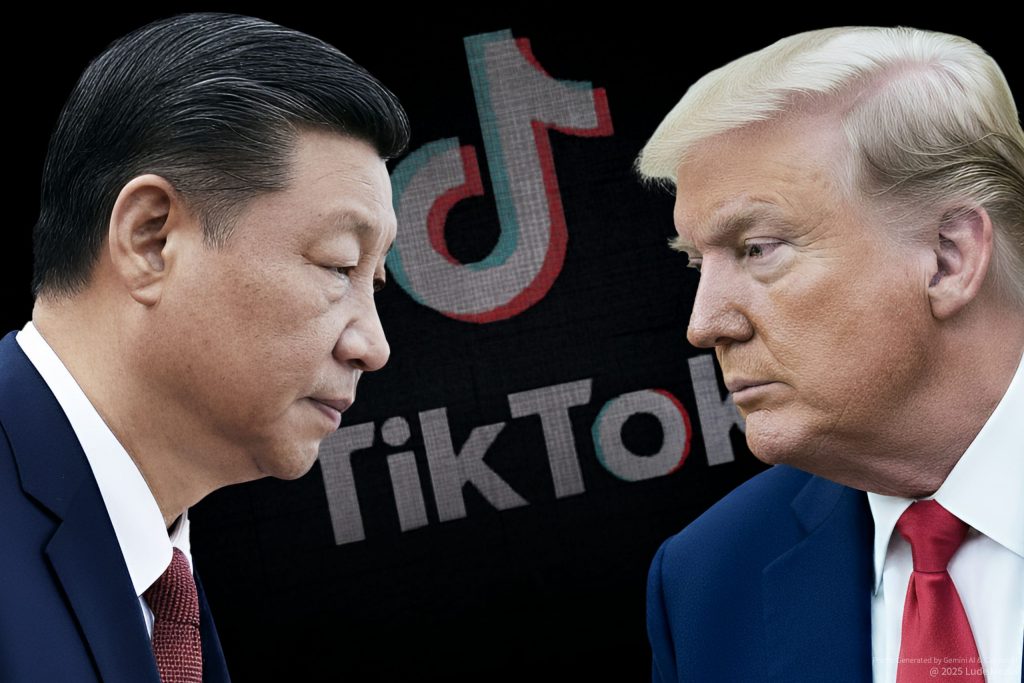
After a phone call with Xi Jinping, President Trump immediately posted on Truth Social to set the narrative. He said the call covered trade, fentanyl, the need to end the Russia-Ukraine war, approving the TikTok deal, and the “Midnight Hammer” strike operation.
Over the past seven to eight months, Trump has been laying traps for Xi.
The CCP’s official statement only mentioned the Flying Tigers, TikTok, and vague platitudes, avoiding any mention of drugs, trade, or ending the Russia-Ukraine war. Xi didn’t outright reject Trump during the talk while stalling behind the scenes. The CCP also avoided mentioning any in-person meeting with Trump, raising questions about whether Xi even dares to leave China.
The call was essentially nonfruitful and either side just talked to themselves.
Side note: Instead of showing gratitude to the U.S. for the Flying Tigers’ WWII sacrifice aiding China delivering supplies, the CCP packaged the Flying Tigers as a propaganda tool, similar to the “ping-pong diplomacy”, targeting American youth with so-called “cultural exchanges.”
The TikTok issue itself was important. What Trump really cemented was this: if things were not resolved, Xi personally — as dictator — was the one to blame. Xi is the one directing, mishandling, and breaking promises. The CCP says one thing and does another, proving their lack of credibility. Trump’s mention of meeting Xi at next month’s APEC summit is a challenge for Xi to follow through—or face consequences as a dictator.
02 | CCP’s Bid to Woo India Fell Flat
CCP propaganda hyped that Modi repeatedly refused Trump’s calls, hinting they were in a rift. Modi even attended the Tianjin SCO summit, which Xi read as a sign that Modi would side with him against the U.S.
But Modi, shrewd as ever, left immediately after the summit, refusing to attend Xi’s September 3rd military parade.
Days after the summit, trouble erupted on the CCP’s border, and a coup occurred in Nepal—possibly tied to CCP Foreign Minister Wang Yi’s diplomatic missteps (did he gift Nepal’s PM a pair of white sneakers?).
Far from falling apart, the U.S. and India are drawing closer, targeting Beijing’s weak points together.
The CCP fears an alliance between the U.S. and India, especially if the U.S. recognizes the McMahon Line as the legitimate border, which the CCP rejects and demands India cede South Tibet (Arunachal Pradesh). The CCP also plans a dam on the Yarlung Tsangpo River to control India’s water supply, which India opposes. On human rights issues, the U.S. and India are pushing for Tibetan independence, and Nepal, once a CCP ally, has shifted toward India.
03 | Charlie Kirk: “The CCP Is Our Greatest Enemy”
In a recent interview, Charlie Kirk stated: “The CCP is our biggest enemy. They created viruses in labs and devastated our civilization.”
Everyone should spread Kirk’s words to raise awareness.
04 | Erdogan Pushes Ottoman Legacy Ahead of White House Visit
Turkey’s Erdogan told Netanyahu: “Turkey won’t give Israel single pebble that belongs to Jerusalem”
From 1517, Jerusalem was under Ottoman control for four centuries until the British took it in 1917 after WWI. Erdogan aims to restore Turkey’s Middle East influence, envisioning a neo-Ottoman empire and positioning himself as a protector of Islam to absorb followers as Iran’s regime falters.
This is a clear bid for Islamic leadership, carrying religious, historical, and political weight. However, Erdogan isn’t as reckless as Xi to directly confront Israel. Turkey is pragmatic, and with Erdogan’s upcoming White House visit on September 25, he’s bolstering his leverage for talks with Trump. To resume high-end weapons cooperation, like F-16 sales or F-35 negotiations, Erdogan will need to offer concessions to the U.S.
05 | Saudi-Pakistan Alliance Shocks and Panics CCP
In the Islamic world, Saudi Arabia and Turkey are rivals for influence. Washington encourages a balance between them.
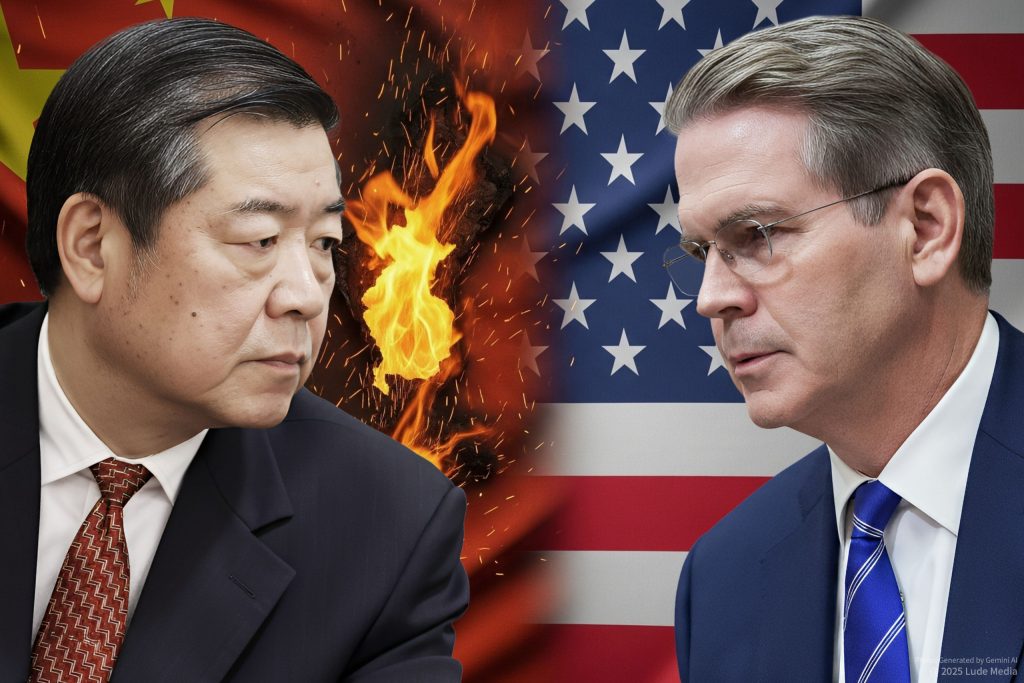
When Saudi Arabia and Pakistan signed a “Strategic Mutual Defence Agreement,” Beijing initially celebrated thinking nuclear proliferation to Saudi Arabia would counter Israel. They were quickly proven wrong.
The Houthis themselves admitted in an interview that this Saudi–Pakistani alliance was aimed squarely at them, directly contradicting CCP propaganda.
Now Beijing is deeply alarmed. The deal was in fact backed by the US. Pakistan’s military has hard combat experience, skilled at trench warfare, cross-border counterterror, perfectly suited to counter the Houthis in Yemen’s similar terrain.
By using Muslims to counter Muslims, Washington left Beijing speechless. With U.S. and Israeli intelligence support behind Saudi and Pakistan, Beijing’s strategy of using the Houthis to disrupt the Red Sea and Bab el-Mandeb chokepoint has been neutralized.
Responses